

Rebuilding Life After Severe Loss with a Dedicated Hobbs Amputation Advocate
Protecting Your Right to Limb Loss Compensation in Hobbs
After a traumatic amputation, protect your claim by getting emergency care, reporting the incident, preserving evidence, and speaking with a Hobbs amputation accident lawyer as soon as you can. A claim may seek payment for current and future medical treatment, prosthetics, rehabilitation, lost income, home changes, and the personal impact of limb loss.
Amputation cases can arise from oilfield and industrial incidents, heavy machinery, vehicle crashes, defective products, or unsafe property conditions. The facts matter: proving who had a duty to keep you safe, how that duty was breached, and how the failure caused your injury is central to recovery.
In New Mexico, the deadline for many personal injury claims is generally three years from the injury date. Different rules may apply in cases involving government entities, medical negligence, or other special circumstances. Early action can help preserve records, physical evidence, and witness accounts.
Nix Patterson, LLP can help injured people assess the full long-term cost of a life-changing injury and pursue accountable parties.

6 Critical Factors in Building a Hobbs Amputation Injury Claim
Building a successful personal injury claim following an amputation requires a detailed, evidence-driven approach. In Lea County, catastrophic injuries frequently occur in demanding environments where heavy industrial operations, energy production, and high-speed transit intersect. Amputation injuries generally fall into two categories: traumatic amputations, where the limb is severed during the incident itself, and surgical amputations, where severe crushing, vascular destruction, or infection necessitates medical removal later.
Both categories present distinct challenges when establishing legal liability and projecting long-term needs.
| Factor | Traumatic Amputation | Surgical Amputation (Post-Trauma) |
|---|---|---|
| Immediate Causation | Direct, violent mechanical force or impact at the scene | Severe crush injuries, burns, or failed limb salvage attempts |
| Key Liability Focus | Guarding failures, machinery defects, or high-speed impacts | Extent of initial trauma necessitating surgical intervention |
| Medical Evidence | Emergency response logs, trauma surgery records | Serial surgical evaluations, vascular studies, infection reports |
| Workplace Factors | Sudden equipment failure, entanglement, or pinch point hazards | Complications from severe industrial crush injuries or delayed care |
| Long-Term Projection | Immediate phantom limb pain and early prosthetic fitting | Complex revision surgeries, wound management, delayed rehabilitation |
| Defense Challenges | Allegations of improper equipment operation | Arguments regarding pre-existing conditions or medical management |
To build a well-supported claim, six central pillars must be addressed:
- Identifying Every Responsible Entity: Determining whether third-party contractors, equipment manufacturers, property owners, or reckless drivers share legal responsibility.
- Securing Critical Scene Evidence: Gathering physical items, telematics, digital surveillance, and inspection logs before they are altered or erased.
- Establishing Clear Causation: Demonstrating the direct link between the defendant’s negligence and the severe bodily harm sustained.
- Quantifying Complete Economic Damages: Accounting for lifetime prosthetic replacement cycles, surgical revisions, and vocational impairment.
- Evaluating Non-Economic Loss: Measuring the profound physical pain, emotional trauma, phantom limb sensations, and loss of life enjoyment.
- Navigating New Mexico’s Legal Landscape: Applying state liability standards to counter aggressive corporate defense tactics.
Common Causes Leading to Traumatic Limb Loss
Hobbs serves as a vital industrial hub for southeastern New Mexico, meaning our community faces unique hazards across oil and gas fields, agricultural operations, and busy commercial transit corridors. Traumatic limb loss frequently stems from preventable safety breaches, including:
- Oilfield and Drilling Rig Incidents: Cathead entanglements, high-pressure line blowouts, uncontrolled pipe movements, and heavy winch failures on drilling and service rigs throughout Lea County.
- Heavy Agricultural Machinery: Unshielded power take-off (PTO) shafts, combines, balers, and augers catching clothing or limbs due to missing safety guards.
- Industrial Pinch Points and Conveyors: Inadequately guarded manufacturing machinery, crush zones, and failure to enforce strict lock-out/tag-out procedures.
- Commercial Truck and Highway Collisions: High-impact crashes involving semi-trucks, water haulers, and oversized oilfield transports along routes like US-62/180 and NM-18.
- Defective Heavy Equipment and Tools: Manufacturing or design defects in hydraulic systems, safety shutoff switches, and heavy industrial plant machinery.
Key Evidence Needed to Prove Negligence and Liability
Proving liability after a severe injury demands fast and meticulous evidence preservation. Because physical conditions change quickly on worksites and roadways, critical data must be secured immediately.

Key evidence we look for includes:
- Regulatory and Agency Reports: Official investigation findings from the Occupational Safety and Health Administration (OSHA), the New Mexico State Police, or local law enforcement agencies.
- Corporate Maintenance and Safety Logs: Equipment service records, safety inspection audits, internal incident reports, and corporate safety meeting minutes.
- Visual Evidence: High-resolution scene photographs, drone imagery of industrial layouts, and footage captured by dashboard cameras or facility security systems.
- Electronic Data Recorders: Commercial vehicle “black box” data, heavy machinery diagnostic logs, and electronic driver logbooks.
- Eyewitness Testimony: Sworn statements from coworkers, independent observers, and safety personnel on site when the incident occurred.
How a Hobbs Amputation Accident Lawyer Works to Establish Liability and Calculates Damages
Proving negligence requires demonstrating four essential elements: the defendant owed a duty of care, they breached that duty through an act or omission, that breach directly caused the catastrophic injury, and measurable damages resulted. In catastrophic cases, establishing the true cost of an injury requires working with top-tier economic and medical authorities.

Types of Compensation Available for Catastrophic Loss
Amputation injuries create immense lifetime financial, physical, and psychological costs. In New Mexico, victims can seek comprehensive compensation across economic and non-economic categories:
- Lifetime Prosthetic Costs: Advanced myoelectric, robotic, and mechanical prosthetics require regular replacement every three to five years, along with recurring maintenance, socket revisions, and prosthetic liners.
- Rehabilitation and Physical Therapy: Long-term occupational therapy, strength training, gait retraining, and adaptation counseling.
- Home and Vehicle Modifications: Installing wheelchair ramps, widening doorways, lowering counters, and outfitting vehicles with adaptive hand controls.
- Past and Future Medical Expenses: Trauma surgery, hospital stays, stump revision surgeries, pain management therapies, and treatment for phantom limb sensations.
- Lost Earnings and Diminished Earning Capacity: Calculating the difference between pre-injury earning potential and future vocational limitations.
- Non-Economic Damages: Compensation for chronic physical pain, mental anguish, depression, post-traumatic stress, disfigurement, and loss of enjoyment of life.
How Fault Is Determined Under New Mexico Personal Injury Law
New Mexico operates under a pure comparative fault system. Under this rule, each party is held responsible only for their percentage of fault. Even if an injured individual is found partially responsible for an accident, they can still recover damages reduced by their allocated percentage of fault.
For instance, if a court determines total lifetime damages to be $10,000,000 and finds the injured worker 10% responsible, the net recovery would be $9,000,000. Seasoned litigators can challenge attempts by corporate defendants and their insurers to unfairly shift blame onto you to minimize their financial liability.
Essential Steps to Take Immediately After an Amputation Incident
The choices made in the immediate aftermath of an accident can directly affect your physical recovery and legal protections.
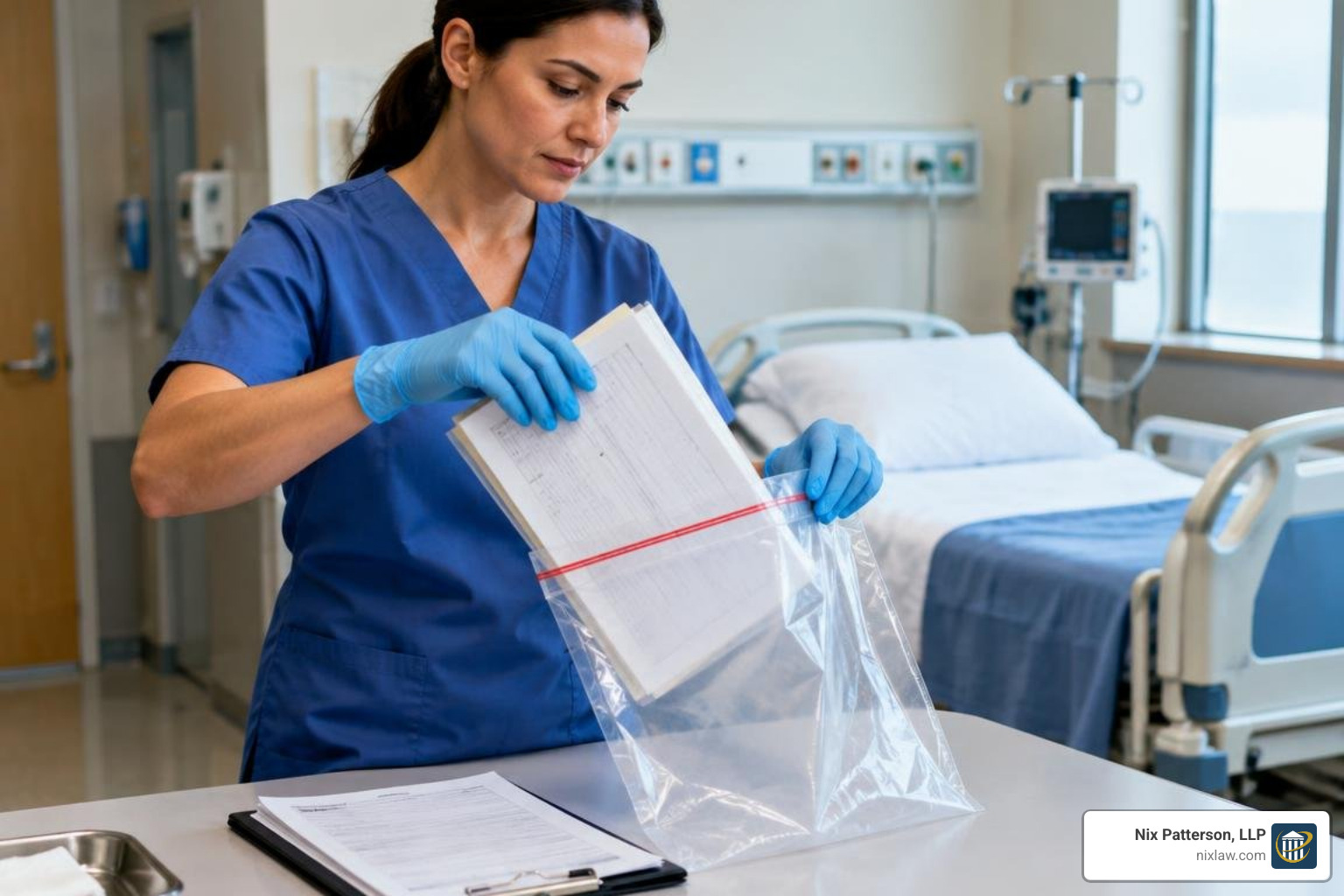
Immediate Actions at the Incident Scene and Hospital
Following a catastrophic event, clear priorities should be established:
- Seek Immediate Trauma Care: Call 911 immediately. In Hobbs, severe trauma patients are often stabilized locally before being transported to regional trauma centers.
- Preserve the Severed Limb: If safe, medical responders must wrap the severed limb in clean, damp gauze, seal it inside a waterproof bag, and place that bag on ice (avoiding direct contact with water or ice) to keep reattachment possible.
- Notify Authorities and Demand an Official Report: Ensure local law enforcement, state police, or regulatory bodies like OSHA document the scene thoroughly.
- Identify and Preserve Equipment: Ensure the machinery, vehicle, or product involved in the accident is immediately removed from service and preserved in its exact state.
- Collect Contact Details: Secure names, phone numbers, and employers of all eyewitnesses and supervisors present.
- Maintain All Medical Records: Keep detailed files of every medical consult, operative report, therapy session, and prescription.
The Claim Resolution Timeline and What to Expect
Resolving an amputation injury claim involves several distinct phases:
- Phase 1: Deep Investigation and Preservation (Months 1–3): Issuing formal evidence preservation letters, inspecting machinery, interviewing witnesses, and reviewing compliance history.
- Phase 2: Medical Stabilization and Future Needs Assessment (Months 3–9): Reaching a stable point in recovery, allowing life-care planners and medical professionals to accurately calculate future care needs.
- Phase 3: Demand and Formal Negotiations (Months 9–14): Presenting a comprehensive settlement demand to insurance carriers and corporate risk managers.
- Phase 4: Litigation, Discovery, and Trial (Months 12–24+): If the defense refuses to offer fair compensation, filing a formal lawsuit, conducting depositions, and presenting the case before a Lea County jury.
Choosing the Right Legal Representation for Catastrophic Injuries
Catastrophic injury litigation is vastly different from handling minor insurance claims. When facing multi-million-dollar lifetime damages, insurance carriers deploy massive legal defense teams. You need advocates who possess the courtroom readiness, financial resources, and technological capabilities to match them step for step.
When to Consult a Hobbs Amputation Accident Lawyer
It is critical to contact counsel as early as possible. Under New Mexico law, the statute of limitations for personal injury claims is generally three years from the date of the incident. However, claims involving municipal, county, or state government entities may require formal tort claim notices within just 90 days. Waiting can lead to lost video footage, repaired machinery, forgotten witness memories, and missed legal deadlines.
How a Dedicated Hobbs Amputation Accident Lawyer Helps Pursue Compensation
At Nix Patterson, LLP, we bring substantial resources to every case we handle. We litigate significant commercial and personal injury disputes using our firm’s deep financial strength, advanced trial technology, and a track record of multi-billion-dollar recoveries across the country.
We work alongside leading vocational experts, life-care planners, prosthetic innovators, and accident reconstructionists to present a compelling presentation of your damages. We handle our cases on a contingency fee basis, meaning our clients pay nothing out of pocket unless we successfully recover compensation on their behalf.
Frequently Asked Questions About Amputation Claims in Hobbs
What is the statute of limitations for amputation claims in Hobbs, New Mexico?
In Hobbs, New Mexico, the statute of limitations for general personal injury claims is three years from the date of the incident. If the claim involves a government entity, notice requirements can be significantly shorter, often requiring action within 90 days. It is vital to consult with an attorney immediately to protect your right to file.
How long does an amputation injury claim take to resolve?
A catastrophic amputation claim can take anywhere from twelve months to over two years to resolve. Moving too quickly before reaching maximum medical improvement can cause an injured person to underestimate future prosthetic, surgical, and therapeutic costs. Taking the necessary time can help identify and assess future medical and financial needs.
What damages can I seek after a severe limb loss injury?
Victims can seek economic damages for past and future medical care, prosthetic devices, adaptive home equipment, physical rehabilitation, lost wages, and loss of future earning capacity. Non-economic damages compensate for pain and suffering, physical impairment, disfigurement, mental distress, and the loss of life’s daily pleasures.
Conclusion
Sustaining an amputation injury is a life-altering event that brings immense physical, emotional, and financial burdens. Securing the financial resources necessary for lifetime care, cutting-edge prosthetics, and adaptive living requires dedicated, aggressive legal advocacy. At Nix Patterson, LLP, our team provides the experience, trial technology, and substantial resources needed to hold responsible parties accountable. If you or a loved one has suffered catastrophic limb loss, consult a skilled Hobbs catastrophic injury lawyer to discuss protecting your rights and planning for your future.