

Crucial First Steps to Take After Suffering a Severe Carlsbad Oil Rig Accident
Root Causes of a Severe Carlsbad Oil Rig Accident in the Permian Basin
If you suffer a severe Carlsbad oil rig accident, the first steps are to evacuate the danger zone, obtain emergency medical care, report the injury to your supervisor, and preserve evidence such as safety logs, equipment, and witness information. Taking these actions quickly can protect both your health and your legal rights.
The Permian Basin remains the beating heart of domestic energy production. As extraction activity pushes over two million barrels per day, the sheer pace of operations creates immense physical hazards for drilling crews. When multiple independent contractors, heavy machinery, and volatile hydrocarbons converge on a single pad, even a momentary lapse can trigger a catastrophic event.
A severe Carlsbad oil rig accident often traces back to systemic operational failures rather than isolated mistakes. Rig workers routinely operate within hazardous pinch points and impact zones where heavy loads are handled overhead. During crane offload operations, casing installations, or drill pipe transfers, miscommunication between crane operators and floor hands frequently results in caught-between incidents. A federal BSEE investigation into drill floor caught-between hazards demonstrated how quickly an impact zone shrinks when personnel lose situational awareness or supervisors turn their backs to suspended loads, leading to devastating crush injuries. For teams working in Carlsbad energy operations, dynamic deck layouts and constantly moving iron demand strict adherence to safety exclusion zones that are too often compromised in the rush to meet drilling quotas.
Mechanical Breakdowns and Struck-By Hazards
The mechanical components on modern drilling rigs operate under immense physical stress, rotational torque, and extreme hydraulic pressure. When tools are not properly maintained or compatible with wellhead geometry, mechanical failure is often sudden and violent.
High-pressure hydraulic torque wrenches (HTWs), iron roughnecks, and utility winches present continuous hazards. For instance, investigative findings from offshore and inland drilling operations highlight how hydraulic tools can wedge against beveled equipment edges, suddenly releasing thousands of foot-pounds of stored energy and launching equipment directly into the drill crew. Similar dangers exist during pipe transfers. As detailed in a federal investigation into equipment failure dynamics, handling unsecured drill pipe and heavy tubulars without dedicated rack restraints or proper chocking leads to roll-offs and severe crushing injuries or amputations.
Dropped objects on the rig floor represent another primary struck-by hazard. Elevators, top drives, spider dogs, and safety doors require regular secondary retention checks. When primary securing bolts shear due to metal fatigue or improper alignment, falling iron can strike personnel stationed on the rig floor or in the cellar below.
Toxic Chemical Exposure and Well Blowouts
Beyond mechanical impacts, invisible and environmental hazards present severe dangers on Permian Basin well sites. Drilling formations throughout southeastern New Mexico contain dangerous concentrations of toxic gases and hazardous waste products:
- Hydrogen Sulfide (H2S): Known for its initial rotten-egg odor, H2S quickly causes olfactory fatigue, rendering workers unable to smell rising concentrations. High-level inhalation leads to rapid respiratory arrest, loss of consciousness, and permanent central nervous system damage.
- Naturally Occurring Radioactive Materials (NORM): Radionuclides brought to the surface during drilling and fracking settle in pipes, tanks, and sludge pits, presenting serious long-term internal radiation risks to cleanout crews.
- Volatile Organic Compounds (VOCs): Routine exposure to benzene and hydrocarbon vapors increases lifetime risks of acute lymphoblastic leukemia and other occupational illnesses.
Well control failures represent the most catastrophic risk on any drilling pad. Swabbing formations while hoisting drill pipe can create an influx of gas into the wellbore. If the drilling crew misses initial kick indicators, such as rapid pit volume increases or abnormal flow, the well can rapidly breach control limits. A historical federal investigation into catastrophic blowout mechanisms documented how swabbing, worn annular preventers, and delayed shut-in responses can culminate in total well blowouts, engulfing entire rigs in massive fires.

Essential Actions Following an Industrial Rig Incident
Surviving an industrial rig accident requires swift action to preserve both your physical health and your legal rights. In the confusion following an explosion, pipe strike, or chemical release, well operators and their risk-management teams immediately begin building an internal defense to minimize corporate exposure.
Workers who suffer life-altering trauma need dedicated representation from catastrophic injury lawyers who understand the technical complexities of oilfield machinery and wellsite management. One of the first legal questions involves determining whether an injured worker is limited to basic statutory benefits or can pursue substantial third-party compensation.
| Compensation Component | New Mexico Workers’ Compensation | Third-Party Personal Injury Lawsuit |
|---|---|---|
| Medical Expenses | Covered via approved provider network | Full past and future medical costs covered |
| Lost Earnings | Capped percentage of weekly wages | 100% past lost wages plus loss of earning capacity |
| Pain & Suffering | Not recoverable | Fully recoverable (physical pain, mental anguish) |
| Disfigurement / Disability | Limited statutory scheduled benefits | Full compensation for lifelong impairment |
| Punitive Damages | Barred by statutory exclusivity | Available against grossly negligent third parties |
Immediate Steps to Take After a Carlsbad Oil Rig Accident
When an incident occurs on site, prioritizing life safety is paramount. Follow these structured steps to ensure your physical safety and protect your claim:
- Evacuate to Safe Ground: Immediately clear the impact zone, pinch point, or gas plume. Move upwind if toxic vapor or H2S alarms are triggered.
- Obtain Emergency Medical Triage: Demand immediate on-site stabilization and off-site emergency transport. Even if you walk away from a blast or blow, internal bleeding, concussions, and chemical inhalation injuries can worsen rapidly.
- Undergo Full Chemical Decontamination: If exposed to drilling mud, invert fluids, or hydrocarbon waste, thoroughly flush skin and eyes and preserve contaminated clothing in sealed containers.
- Notify Your Direct Supervisor: Inform your pusher, toolpusher, or company man about the incident and ensure it is entered into the tour sheet or daily log.
- Request Written Medical Referrals: Do not rely solely on company-contracted clinics that minimize your injuries. Seek comprehensive hospital evaluations, including MRI, CT scans, and toxicology testing.
Documenting Evidence from a Carlsbad Oil Rig Accident
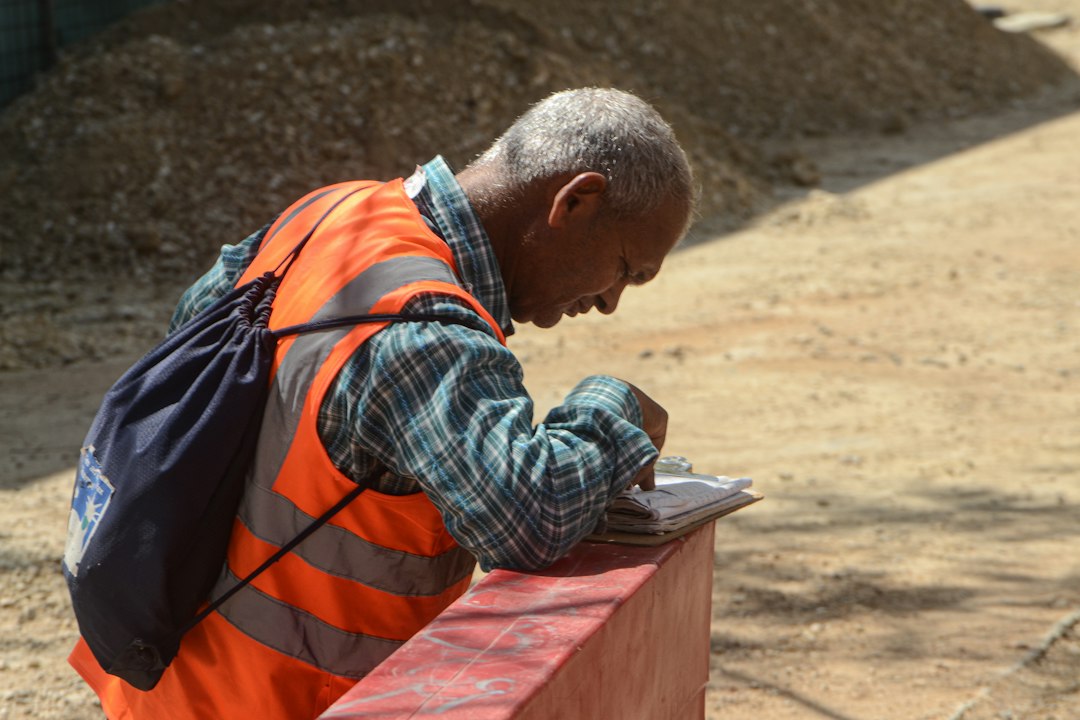
Physical evidence on an active drilling pad changes rapidly. Rig repairs, equipment turnarounds, and ongoing drilling operations can quickly alter the scene. Working with experienced workplace injury lawyers ensures that vital documentation is secured before it is altered, lost, or destroyed.
Key documentation that should be preserved immediately includes:
- Job Safety Analyses (JSAs) and Task Risk Assessments: The specific safety forms signed prior to the work shift detailing identified hazards and designated safety observers.
- Tour Sheets and Daily Drilling Reports (IADC Reports): Official logs recording equipment usage, pressure tests, tool breakdowns, and crew assignments.
- Physical Equipment and Fractured Hardware: Sheared bolts, broken slings, defective hydraulic hoses, or worn safety latches must be preserved in their unaltered state.
- Maintenance Records: Inspection logs and replacement histories for winches, iron roughnecks, cranes, and top drives.
- Witness Statements: Contact details for roustabouts, roughnecks, derrickhands, and third-party hot-shot drivers who witnessed the incident.
Systemic Failures and Safety Hazards in Permian Basin Drilling
Oilfield safety issues in southeastern New Mexico are rarely isolated occurrences. Instead, they often stem from institutional pressures created by intense production schedules. While oil and gas extraction provides billions in tax revenue to New Mexico, state regulatory agencies face staffing limitations that make consistent, unannounced field inspections difficult across hundreds of remote operating sites.
When regulatory oversight is constrained, companies face less friction when prioritizing drilling speed over safety protocols. Crews frequently work grueling 12- to 14-hour shifts for weeks at a time. The resulting chronic fatigue degrades cognitive function, slows reaction times, and increases the risk of severe errors on the rig floor. Retaining seasoned New Mexico oil field injury lawyers helps injured workers hold multi-tiered corporate operators accountable when systemic neglect causes devastating harm.
Subcontracting Gaps and the Cheapest-Bidder Model
Modern drilling sites operate through complex webs of master service agreements (MSAs) and tiered subcontractors. Major leaseholders and operators routinely outsource drilling, casing, mud logging, cementing, and well-servicing operations to independent service companies, often selecting the lowest bidder.
This lowest-bidder model frequently leads to:
- Subcontractor Safety Disconnects: Smaller subcontractors may cut corners on formal training, providing workers with inadequate or missing personal protective equipment.
- Deferred Equipment Overhauls: Rigs and auxiliary tools are kept in continuous service past recommended inspection intervals.
- Liability Shifting: Operators rely on complex contractual indemnification clauses to distance themselves from safety breaches on the pad.
Understanding these layered corporate relationships is critical, which is why work injury claims require dedicated legal representation to identify every liable third party beyond direct employers.
Overcoming Safety Culture Gaps and Workplace Retaliation
A persistent industry culture on drilling rigs can actively discourage workers from reporting safety violations or using their Stop Work Authority (SWA). Company pushers are judged primarily on drilling footage and meeting tight deadlines. When taking time to address a safety hazard threatens project timelines, workers who raise concerns can face subtle or overt pushback.
This pressure is reinforced by a traditional “macho” work culture that equates raising safety concerns with weakness. For undocumented workers, these barriers are compounded by fears of employer retaliation, job loss, or deportation if they report an injury.
Surviving an oilfield explosion, crush incident, or close call often carries lasting psychological trauma. Post-Traumatic Stress Disorder (PTSD), severe anxiety, depression, and survivor’s guilt are widespread across the oil patch, yet mental health resources remain underutilized due to stigma. Recognizing these emotional impacts is a critical step in recovering from an industrial incident.
Frequently Asked Questions About Permian Basin Rig Injuries
What are the main physical health hazards beyond traumatic injuries on Carlsbad rigs?
In addition to acute trauma, Carlsbad rig hands face severe occupational health hazards from toxic exposures and environmental conditions. Chronic or acute inhalation of hydrogen sulfide (H2S) can cause respiratory distress, pulmonary edema, and lasting neurological deficits. Exposure to benzene, drilling mud additives, and aromatic hydrocarbons is linked to blood disorders, including acute lymphoblastic leukemia. Prolonged exposure to heavy industrial machinery causes noise-induced hearing loss, while handling radioactive scale during cleanout operations increases long-term systemic cancer risks.
Who can be held legally liable for an oilfield injury in New Mexico?
While New Mexico workers’ compensation laws generally protect a worker’s direct employer from simple negligence lawsuits, other entities on the drilling pad may be held liable through third-party personal injury claims. Liable parties may include:
- The leaseholder or operating oil company that exercises control over site safety protocols
- General drilling contractors that supervise deck operations
- Third-party subcontractors responsible for casing, cementing, or rig maintenance
- Equipment manufacturers that design or sell defective tools and hydraulic components
- Transport and logistics companies operating commercial trucks on the site
Why do workers hesitate to use Stop Work Authority on Permian Basin rigs?
Workers frequently hesitate to exercise Stop Work Authority due to fear of termination, demotion, or being labeled difficult by supervisors. On drilling sites, downtime can cost operators significant money per hour. When company pushers prioritize speed, workers who halt operations to fix an unsecured load or check equipment safety often face informal reprimands or exclusion from future work shifts.
Conclusion
A catastrophic industrial incident in the Permian Basin changes everything in an instant. Navigating the aftermath requires immediate medical care, preservation of critical physical evidence, and a clear understanding of your legal rights.
At Nix Patterson, LLP, we bring substantial resources, advanced technical capabilities, and extensive trial experience to hold negligent oil companies, drilling contractors, and equipment manufacturers accountable. If you or a loved one has suffered severe harm, consulting an experienced Carlsbad oil field accident lawyer is a vital step toward securing the justice and full compensation you deserve.