

Why Work Injury Claims Require a Specialized Hobbs Oilfield Accident Attorney
Why a Hobbs Oilfield Accident Attorney Can Protect Your Claim
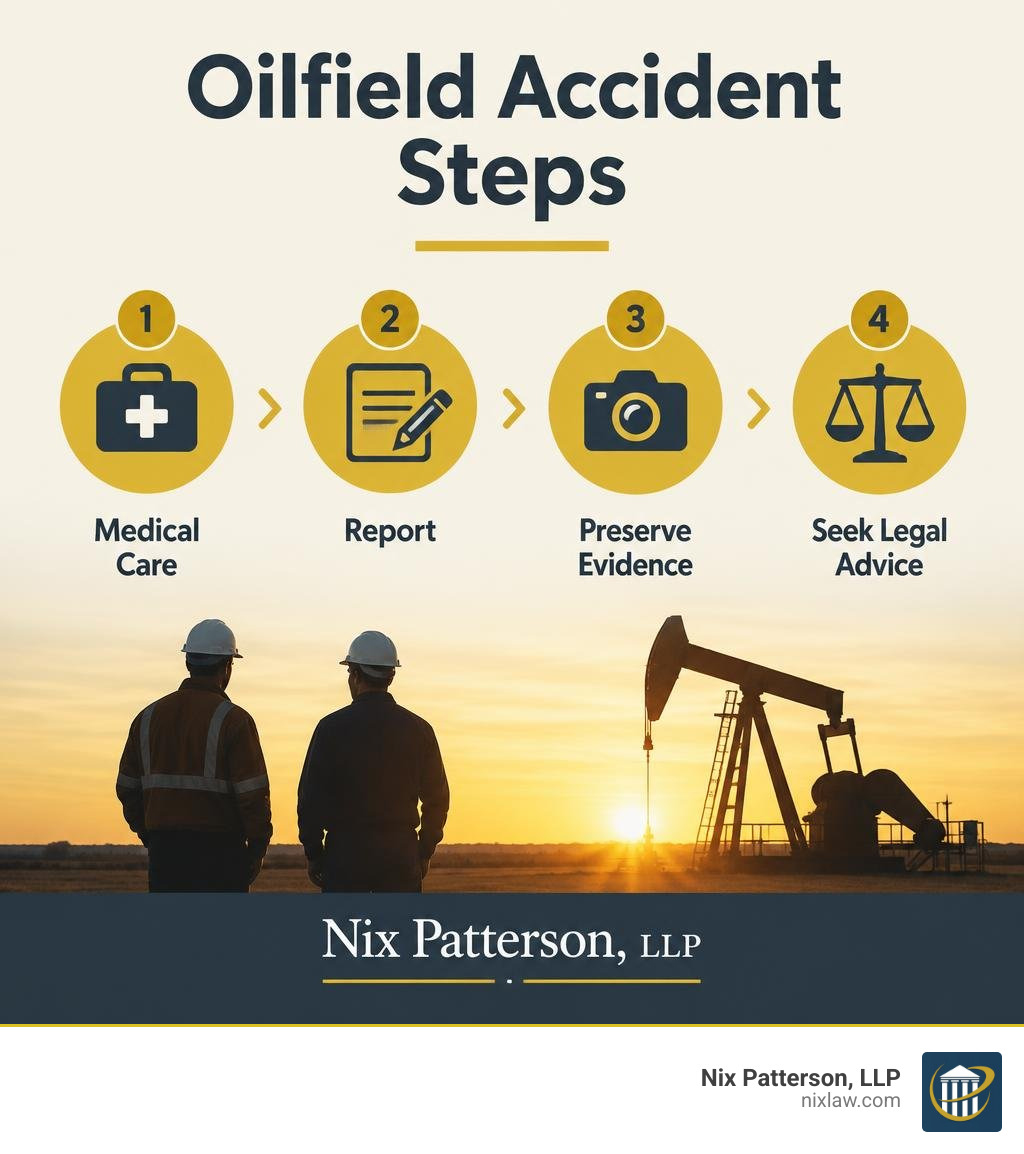
After an oilfield injury near Hobbs, get emergency medical care, report the incident promptly, preserve what evidence you can, and speak with a Hobbs oilfield accident attorney before giving a recorded statement or accepting a settlement. A lawyer can help identify whether a contractor, equipment maker, site operator, or other third party contributed to the accident.
Hobbs sits in the Permian Basin, where high-pressure equipment, heavy vehicles, combustible gases, and fast-moving operations can turn a routine shift into a life-changing event. Burns, crush injuries, falls, traumatic brain injuries, spinal damage, and truck-collision injuries may involve more than a simple workers’ compensation claim.
Workers’ compensation can provide medical and wage-replacement benefits, but it generally does not pay for pain and suffering or the full financial impact of a serious injury. When another company helped cause the harm, a third-party lawsuit may provide an additional path to recovery.
The first steps matter because companies and insurers may quickly begin their own investigation. Save photos, names of witnesses, medical records, work messages, and any details about unsafe equipment or conditions.
Oilfield Hazards and Common Catastrophic Injuries in Lea County
The energy sector fuels New Mexico’s economy, and Lea County serves as its beating heart. Accounting for roughly 61% of the state’s oil production and 42% of its natural gas output, the region around Hobbs operates at an unrelenting pace. In high-yield extraction zones across the Permian Basin, thousands of active wells function under extreme mechanical, chemical, and atmospheric pressures.
Unfortunately, that relentless productivity carries significant danger. Oilfield workers nationwide face a fatality rate roughly seven times higher than the average American worker, and New Mexico consistently ranks near the top for severe extraction-related incidents. Surveys within the state indicate that nearly 46% of oilfield personnel have experienced a workplace incident, with 85% noting that these events were entirely preventable. The Occupational Safety and Health Administration maintains extensive data on extraction-related fatalities and safety violations that underscore these risks.
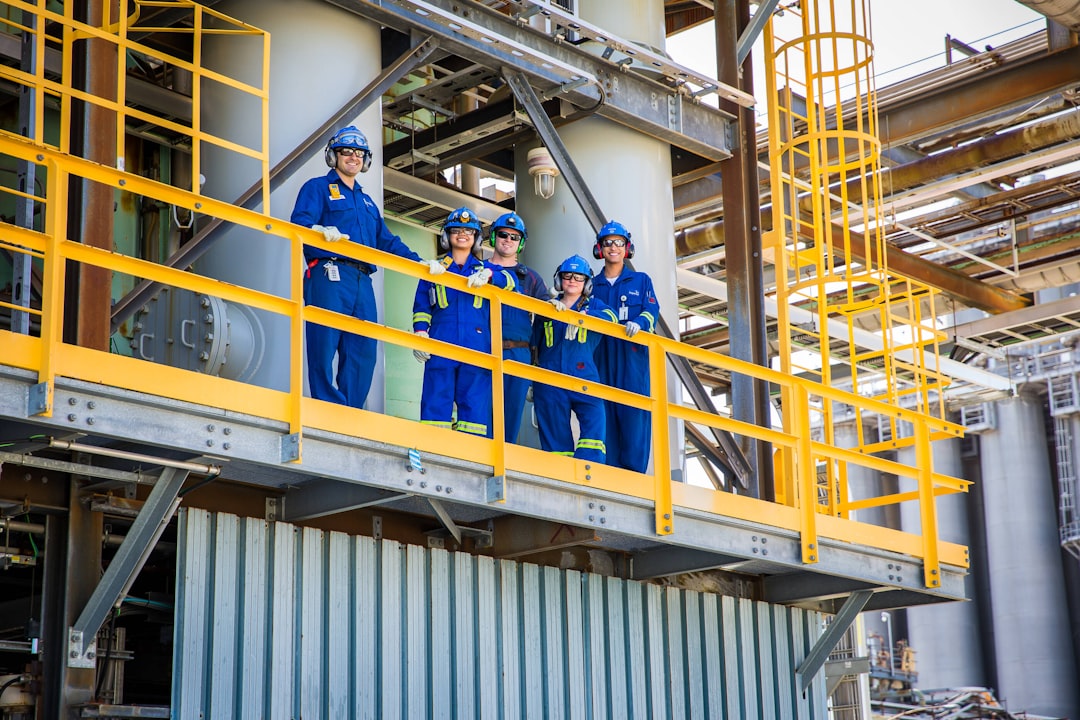
When corporate operators cut corners on maintenance, rush drilling schedules, or bypass mandatory safety protocols, devastating injuries inevitably occur. In these moments, securing representation from an experienced Hobbs catastrophic injury lawyer is vital to establishing liability and demanding accountability.
High-Risk Extraction Operations Around Hobbs
The sheer concentration of heavy industrial activity in Hobbs creates a hazardous work environment. Well sites are dynamic hubs where dozens of separate corporate entities—drilling contractors, mud loggers, casing crews, wireline operators, and roustabouts—work in tight quarters.
Common hazards that trigger catastrophic accidents include:
- Well Blowouts and Explosions: Sudden surges of pressurized hydrocarbons can breach wellbore seals, sparking massive fires and explosions fueled by volatile natural gas and crude oil.
- Heavy Machinery and Struck-By Hazards: High-torque pipe spinners, top drives, iron roughnecks, and swinging crane loads can fail or be operated erratically, causing devastating struck-by or caught-between incidents.
- Toxic Chemical and Gas Exposure: Lethal concentrations of hydrogen sulfide ($H_2S$) gas or dangerous fracking solvents can overcome personnel within seconds if air-monitoring devices fail.
- High-Pressure Line Ruptures: Choke manifolds and hydraulic fracturing lines operate under thousands of pounds of pressure per square inch; an uninspected union or corroded pipe can burst like shrapnel.
- Commercial Vehicle Collisions: Transporting sand, water, crude, and heavy equipment across rural highways creates extreme traffic dangers. In fact, motor vehicle crashes account for over 25% of all extraction industry fatalities, making guidance from a Hobbs truck accident lawyer critical when transit operations go wrong.
Severe and Life-Altering Oilfield Injuries
Due to the intense energy, immense weights, and toxic substances present on drilling pads, oilfield injuries are rarely minor. Victims often face permanent disabilities that upend their careers and personal lives.
We routinely handle cases involving:
- Traumatic Brain Injuries (TBIs): Caused by falling tools, whipping high-pressure hoses, or explosive concussions, often resulting in permanent cognitive and motor deficits.
- Spinal Cord Damage and Paralysis: Falls from the derrick, stabbing board, or rig floor can fracture vertebrae, leading to paraplegia or quadriplegia.
- Severe Blast Burns: Thermal, chemical, and electrical flash fires frequently inflict third- and fourth-degree burns, requiring extensive skin grafting, reconstruction, and pain management.
- Crush Trauma and Traumatic Amputations: Heavy drill collars, catwalks, and rotating cables can crush limbs beyond surgical repair.
- Toxic Inhalation Injuries: Inhaling chemical vapors or $H_2S$ can cause chronic respiratory damage, pulmonary edema, and neurological harm.
When these catastrophic events occur, our team of dedicated catastrophic injury lawyers fights to recover compensation for ongoing care. When safety failures lead to fatal rig disasters, a compassionate Hobbs wrongful death lawyer helps surviving families pursue justice and long-term financial security.
Navigating New Mexico Workers’ Compensation vs. Third-Party Liability
One of the most critical aspects of an oilfield injury claim is understanding the distinct legal channels available for financial recovery. Many injured workers mistakenly assume that their only option is to file a standard workers’ compensation claim through their direct employer.
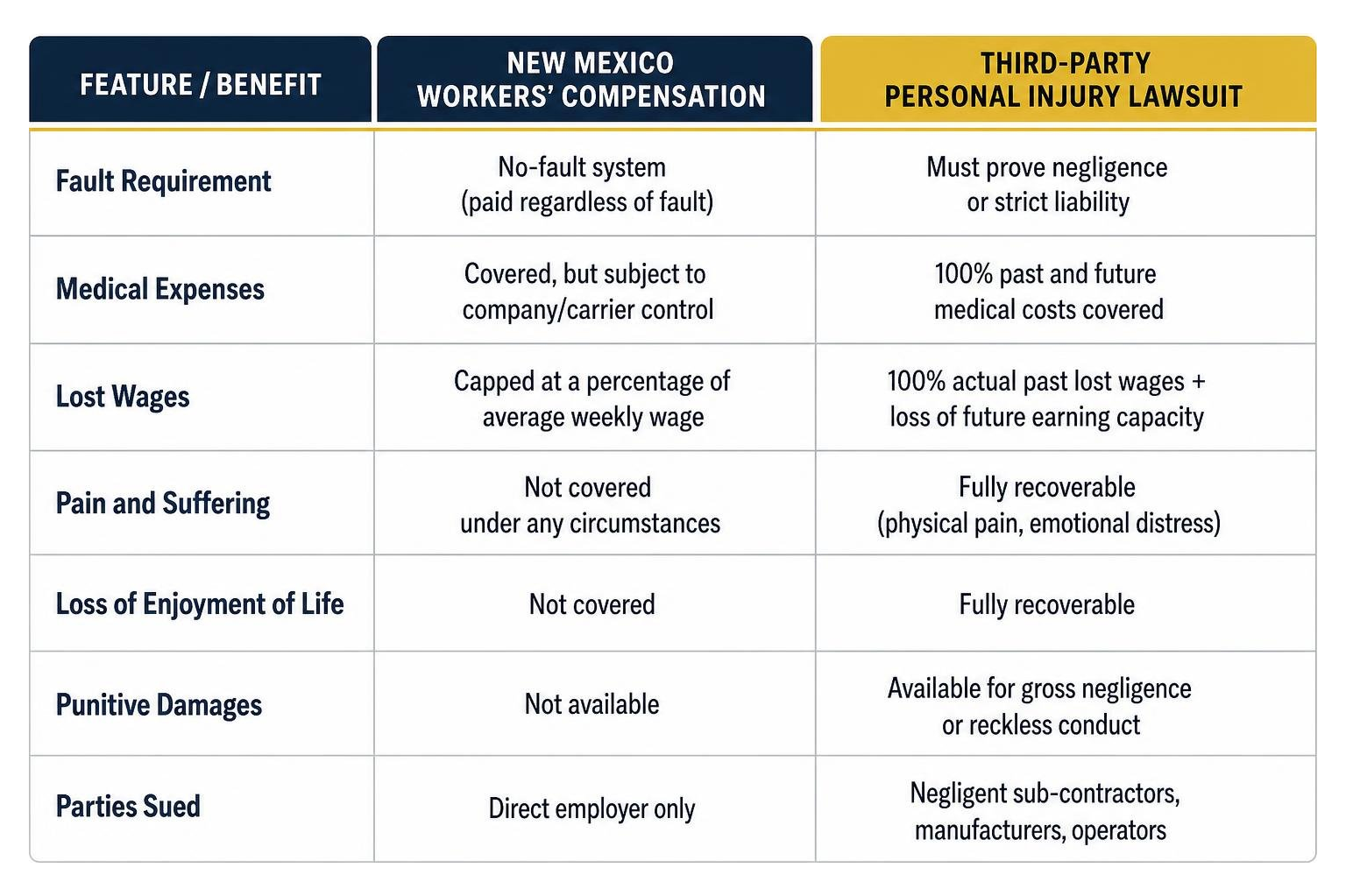
While workers’ comp is an essential safety net, it rarely covers the true cost of a life-altering disability. Understanding how personal injury claims work alongside administrative benefits with the help of workplace injury lawyers is key to maximizing your recovery.
| Feature / Benefit | New Mexico Workers’ Compensation | Third-Party Personal Injury Lawsuit |
|---|---|---|
| Fault Requirement | No-fault system (paid regardless of fault) | Must prove negligence or strict liability |
| Medical Expenses | Covered, but subject to company/carrier control | 100% past and future medical costs covered |
| Lost Wages | Capped at a percentage of average weekly wage | 100% actual past lost wages + loss of future earning capacity |
| Pain and Suffering | Not covered under any circumstances | Fully recoverable (physical pain, emotional distress) |
| Loss of Enjoyment of Life | Not covered | Fully recoverable |
| Punitive Damages | Not available | Available for gross negligence or reckless conduct |
| Parties Sued | Direct employer only | Negligent sub-contractors, manufacturers, operators |
Limitations of Workers’ Compensation in New Mexico
The New Mexico Workers’ Compensation Act operates under an “exclusive remedy” doctrine. This means that in exchange for guaranteed, no-fault benefits, you generally surrender your right to sue your direct employer in civil court.
However, this statutory system has major limitations:
- Strict Wage Caps: Workers’ compensation pays only a fraction of your regular earnings, strictly capped by state maximums. For high-earning energy workers who rely on overtime and hazard pay, this creates an immediate financial shortfall.
- Restricted Medical Choices: Employers and their insurance carriers often control which physicians you can see, leading to hurried evaluations and premature “return-to-work” authorizations.
- Zero Non-Economic Recovery: Workers’ compensation provides zero compensation for physical agony, emotional trauma, disfigurement, or the inability to participate in family life.
There are rare exceptions where an employer can be sued directly, such as cases involving intentional injury or extreme conduct that violates the state’s Delgado doctrine. However, the most viable path to full compensation usually lies in third-party litigation.
Why You Need a Hobbs Oilfield Accident Attorney for Third-Party Lawsuits
Because modern oilfield sites involve multi-employer operations, accidents are frequently caused by someone other than your direct employer. When an independent third party acts negligently, you have the legal right to file a civil lawsuit against them while continuing to draw workers’ compensation benefits.
Potential third-party defendants include:
- Operating Companies (Leaseholders): Failing to maintain a safe job site, enforcing unsafe speed requirements, or ignoring dangerous field conditions.
- Sub-Contractors and Service Companies: Drilling crews, casing teams, or water haulers whose careless actions injure workers from other companies.
- Equipment Manufacturers: Supplying defective blowout preventers, flawed pressure valves, faulty winches, or inadequate safety harnesses.
- Commercial Trucking Carriers: Negligent third-party logistics firms hauling sand, equipment, or hazardous fluids.
Experienced oil field injury lawyers understand how to uncover overlapping master service agreements (MSAs) and insurance policies. Our team of Hobbs oilfield injury lawyers conducts exhaustive investigations to identify every liable party, ensuring you do not leave vital financial compensation on the table.
Immediate Steps and Critical Pitfalls After an Oil Rig Accident
The hours and days following a rig disaster are critical. The steps you take immediately following an injury can make the difference between a dismissed claim and a full financial recovery.

Actions to Protect Your Health and Legal Standing
To protect your health, your family, and your legal claim, follow these essential steps:
- Obtain Immediate Emergency Medical Care: Your physical well-being comes first. Accept transport to the nearest trauma center, such as Covenant Health Hobbs Hospital or regional burn units. Clearly tell the treating doctors exactly how you were injured.
- Report the Incident in Writing: Formally notify your supervisor and company safety representative as soon as possible. Under New Mexico law, timely written notice is mandatory. Ensure your written incident report is accurate and contains no self-blaming language.
- Preserve Physical and Digital Evidence: Take high-resolution photographs and videos of the scene, including broken tools, uninspected machinery, skid marks, warning signs (or lack thereof), and your injuries. Save all text messages, emails, and job safety analyses (JSAs).
- Identify Witnesses: Collect the personal cell phone numbers, names, and employers of every worker, contractor, and supervisor who saw the incident or the immediate aftermath.
- Seek Independent Medical Opinions: If you are uncomfortable with the company-selected physician, assert your right to secondary medical evaluations to ensure your injuries are documented properly.
- Retain Legal Counsel Immediately: Consult a law firm before speaking with any corporate risk adjusters.
Costly Mistakes to Avoid During the Claims Process
Energy corporations and their insurance carriers maintain rapid-response legal teams whose primary job is to minimize company payouts. Being aware of their playbook helps you avoid costly errors:
- Never Give Recorded Statements: Insurance adjusters will contact you under the guise of “processing benefits,” using leading questions designed to get you to admit fault. Politely decline until you have legal representation.
- Do Not Sign Broad Medical Authorizations: Insurers use blanket releases to comb through your entire medical history, looking for pre-existing conditions to blame for your current pain.
- Avoid Discussing the Incident on Social Media: Never post photos, status updates, or comments about your accident or physical activities online. Insurance defense investigators routinely monitor claimants’ profiles.
- Do Not Accept Quick Settlement Offers: Early settlement checks are designed to close cases before the full extent of your long-term medical needs and disabilities is understood. Signing a release forfeits your right to all future claims.
How a Hobbs Oilfield Accident Attorney Proves Liability and Recovers Damages
Holding large oil and gas companies accountable requires substantial financial resources, technical know-how, and thorough trial preparation. Proving negligence demands demonstrating that a defendant owed a duty of reasonable care, breached that duty through action or inaction, and directly caused your injuries and resulting damages.
At Nix Patterson, LLP, we do not rely on standard police or internal company reports. We launch independent investigations, using private air travel to deploy our attorneys and leading technical experts directly to Lea County sites within hours of an incident.
Our team works with certified safety professionals, petroleum engineers, metallurgical specialists, and accident reconstructionists to examine:
- OSHA logs, standard operating procedures, and safety audit trails
- Electronic Data Recorders (EDRs) from drilling rigs and commercial trucks
- Maintenance and inspection records for failed hardware
- Master Service Agreements and indemnity provisions between operators and contractors
Our dedicated oil and gas attorneys understand both the technical realities of drilling operations and the nuances of complex oil and gas disputes. We build trial-ready cases that force corporate defendants and their insurance carriers to negotiate fairly.
What to Look for When Choosing a Hobbs Oilfield Accident Attorney
Not every personal injury firm is equipped to take on multinational energy conglomerates. When choosing representation, look for several key factors:
- Trial Readiness and Resources: Choose a firm with the capital and technology to litigate against multi-billion-dollar corporations without cutting corners.
- Deep Familiarity with New Mexico Law: Your legal team must understand New Mexico tort rules, comparative negligence standards, and local court procedures in Lea County.
- Proven Case Results: Look for a demonstrated track record of securing substantial, multi-million-dollar recoveries in complex catastrophic injury claims.
- Contingency-Based Representation: Reputable attorneys operate on a contingency basis, meaning you pay nothing out of pocket unless they win your case.
Understanding why hire a personal injury lawyer who specializes in industrial extraction cases can be the difference between a minimal administrative payout and a life-changing civil recovery. When you make the decision to hire oil field injury lawyers, choose a team with the trial strength to see your case through to a verdict.
Recovering Full Economic, Non-Economic, and Punitive Damages
Through a third-party civil lawsuit, our personal injury attorneys work to recover every dollar needed to restore your quality of life.
Damages in an oilfield accident lawsuit typically fall into three categories:
- Economic Damages:
- Past and future medical treatment, surgeries, physical therapy, and prescription medications
- Long-term in-home nursing care, assistive medical devices, and home accessibility modifications
- Total lost wages and compensation for lost future earning capacity
- Non-Economic Damages:
- Physical pain, physical impairment, and ongoing suffering
- Emotional distress, anxiety, depression, and Post-Traumatic Stress Disorder (PTSD)
- Permanent scarring, physical disfigurement, and loss of life’s pleasures
- Loss of consortium and companionship for spouses and families
- Punitive Damages:
- Under New Mexico law, when an oilfield operator, contractor, or manufacturer acts with gross negligence, willful misconduct, or conscious indifference to worker safety, juries may award punitive damages. These damages punish the wrongdoer and deter similar corporate practices across the Permian Basin.
Frequently Asked Questions About Hobbs Oilfield Injury Claims
How long do I have to file an oilfield injury lawsuit in New Mexico?
Under the New Mexico statute of limitations (NMSA § 37-1-8), you generally have three years from the date of the accident to file a personal injury lawsuit against negligent third parties. If an accident results in a loss of life, the family has three years from the date of death to file a wrongful death claim.
While three years may sound like plenty of time, waiting is dangerous. Critical evidence on drilling pads can be moved or repaired within days, digital data can be overwritten, and witnesses frequently move to different job sites across the country. Contacting an attorney immediately ensures critical evidence is preserved.
Can I sue my employer directly after an oilfield accident in Hobbs?
In most cases, the New Mexico Workers’ Compensation Act shields your direct employer from civil liability. However, you can bring a direct lawsuit against your employer if they intentionally caused your injury or engaged in conduct with knowledge that serious harm was virtually certain to occur (the Delgado exception).
More commonly, injured workers file a workers’ compensation claim with their direct employer while simultaneously suing negligent third parties—such as well site operators, general contractors, trucking companies, or equipment manufacturers—for full civil damages.
How does a contingency fee structure work for oilfield injury claims?
Reputable oilfield accident law firms represent injured workers on a contingency fee basis. Under this arrangement:
- You pay zero upfront legal fees and no out-of-pocket retainers.
- The law firm advances all litigation costs, including hiring expert witnesses, conducting depositions, and running accident reconstructions.
- The firm is only paid an agreed-upon percentage of the financial recovery secured through a negotiated settlement or courtroom verdict.
- If the firm does not recover money for you, you owe nothing in attorney fees.
Conclusion
The oil and gas industry is built on the hard work of dedicated crew members across southeastern New Mexico, but corporate profits should never come at the expense of human safety. When oilfield operators, service contractors, or equipment manufacturers cut corners, the human consequences can be devastating.
At Nix Patterson, LLP, we bring relentless advocacy, vast resources—including private-jet travel to reach accident sites immediately—advanced trial technology, and a track record of multi-billion-dollar recoveries to every case we handle. We are prepared to stand up to the world’s largest energy corporations on behalf of injured workers and their families in Lea County.
If you or a loved one has suffered harm on a drilling site or transport route, consult a trusted Hobbs oilfield accident lawyer today. If your incident involved heavy transport equipment, our team is ready to connect you with a skilled Hobbs truck accident lawyer to protect your rights. Contact us now for a free, confidential case evaluation.